
Before you sign, you need a clear read on the house, not just the paint, staging, or a polished disclosure packet. In California, a home inspection checklist is more than a buyer formality, it's where safety, financing, and long-term ownership costs start to get real. For a HERO buyer, especially a veteran, firefighter, nurse, teacher, or other public service professional, the report can shape your loan timeline, your negotiation strategy, and your comfort with the property you're about to carry for years.
A solid inspection usually takes 2 to 4 hours on site and the written report typically follows within 24 to 48 hours, which is why the process fits tightly into escrow and contingency timing (AmeriSave home inspection checklist overview). The national benchmark for home inspection cost is about $343, with typical pricing ranging from $296 to $424, and buyers use inspection findings to negotiate an average of $14,000 off the sale price (AmeriSave home inspection checklist overview). In practice, that means the checklist can protect both your safety and your budget.
About 90% of U.S. homebuyers request or perform an inspection, and 62% say the report directly affects whether they buy or negotiate (home inspection statistics). In California, that matters even more because homes often sit inside overlapping risk zones, seismic, wildfire, coastal moisture, older plumbing, and energy code compliance. Keep the list moving, stay focused on what changes your decision, and treat every major finding like a financial decision, not just a repair note.
1. Roof Condition and Structural Integrity
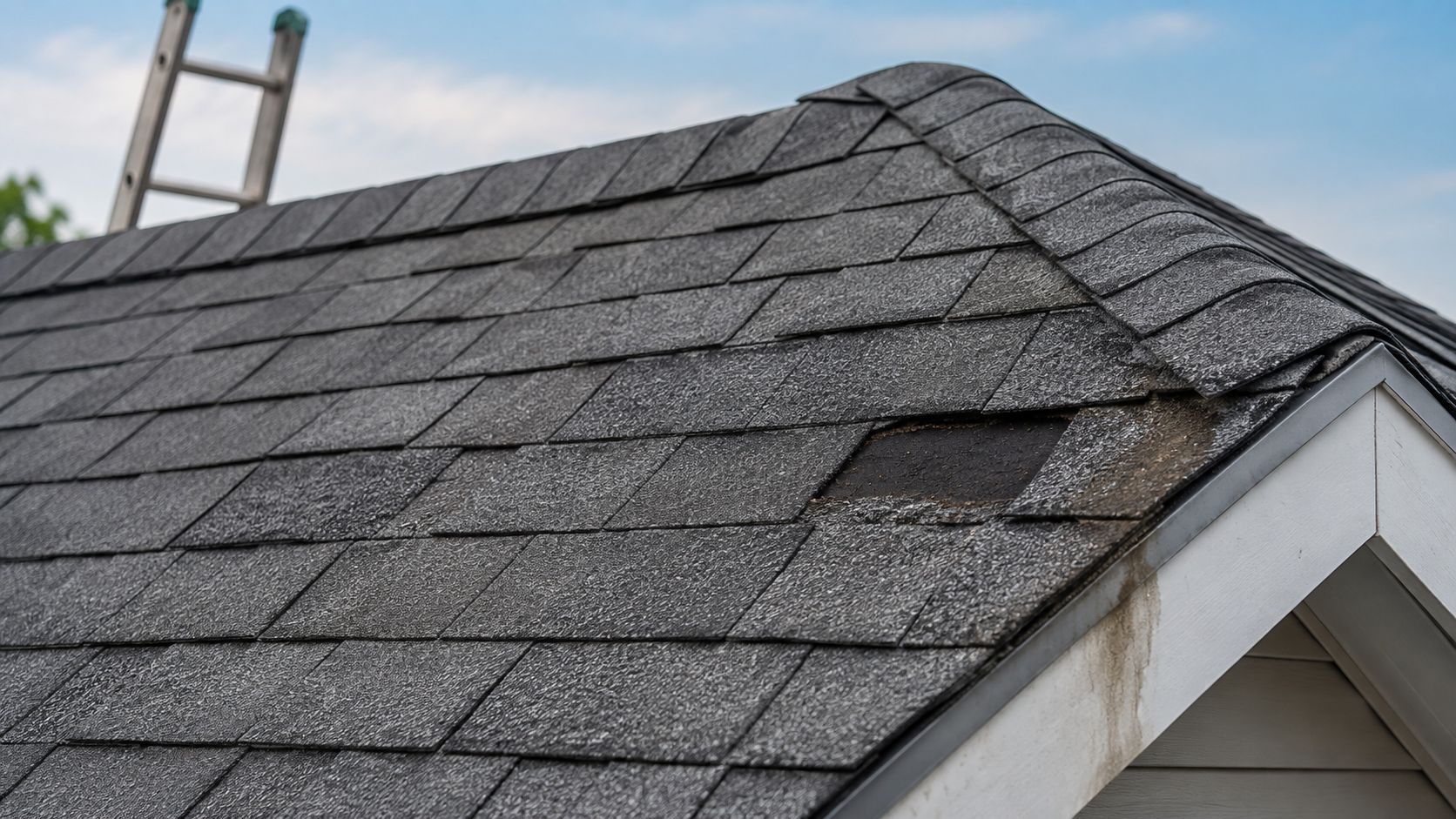
A roof that looks fine from the curb can still hide problems that matter during escrow. In California, long sun exposure, seasonal wind, and wildfire exposure all shape roof performance, so the inspection needs to cover more than missing shingles. Pay attention to flashing, attic staining, ventilation, and whether the roof assembly matches what a local buyer, lender, and insurer would expect. In a fire-prone area, roofing material and defensible space can change how safe and financeable the property feels.
What the inspector should actually verify
The best reports do not stop at “roof age unknown.” They identify missing shingles, cracked or slipped tiles, soft spots, flashing gaps, and any sign of past water intrusion in the attic. Ask for photos from both the ground and the attic, because roof defects often show up indirectly through stains, patched decking, sagging areas, or insulation that no longer looks even.
A seller who cannot produce maintenance records or warranty paperwork leaves you with more repair risk. That risk matters for a HERO buyer using a loan with property condition standards, because roof findings can affect both the contingency strategy and the eventual cost of ownership. If the inspection points to major wear, get a roofing contractor estimate before you let the contingency window close. For a practical follow-up on warning signs, review home inspection red flags alongside the report.
2. Electrical Systems and Safety Compliance
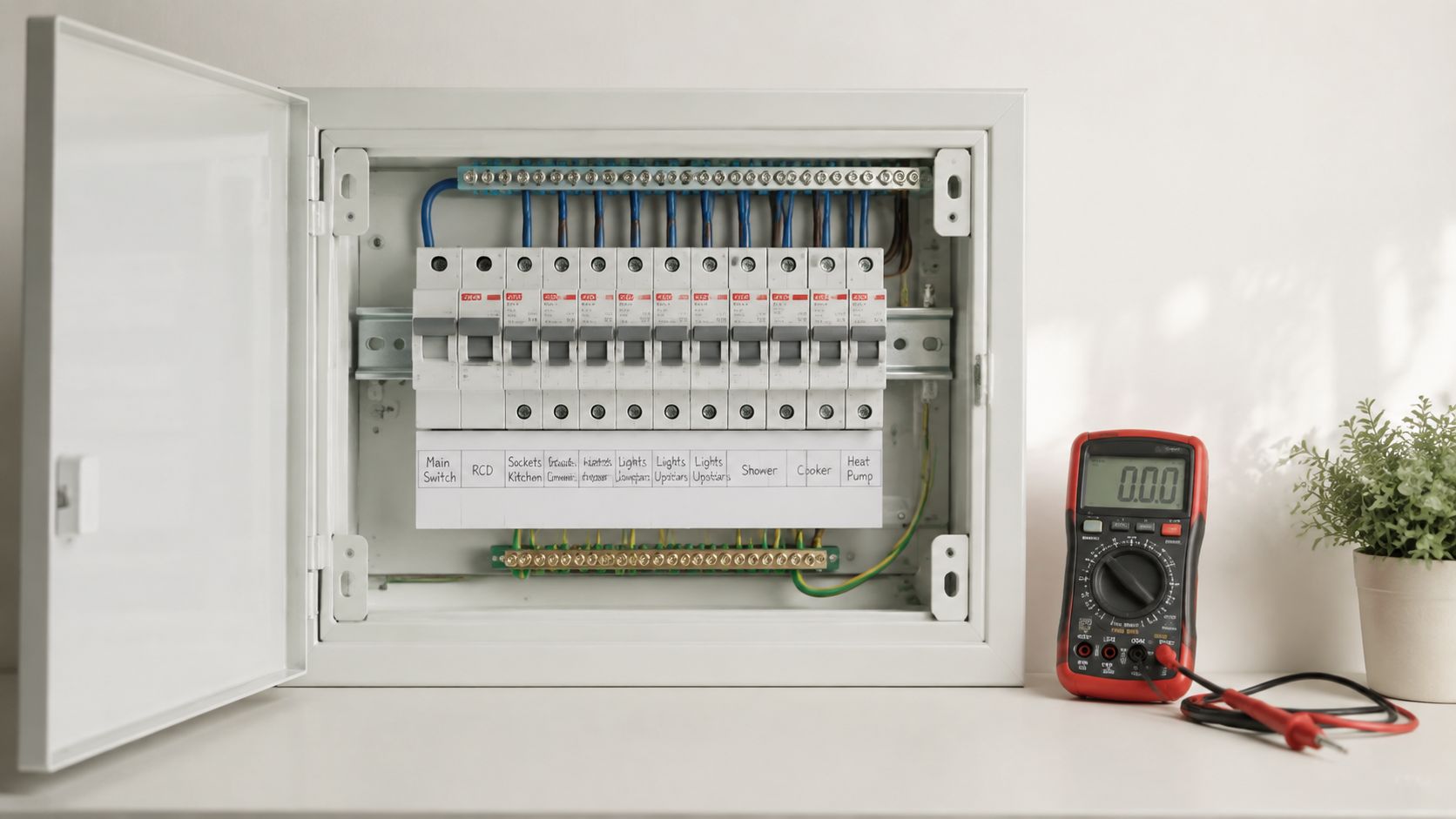
A house can look finished and still hide electrical risks that affect safety, insurance, and day-to-day use. Inspectors should look at the main panel, visible wiring, grounding, outlets, switches, and whether the system can handle modern demand without signs of strain. In older California homes, especially those built before 1990, outdated electrical capacity can affect safety, insurance, and how comfortably you can run appliances, EV chargers, or home-office equipment.
What the inspector should verify
A 1970s house with aluminum wiring, a 60-amp panel, or missing GFCI protection in kitchens and bathrooms usually needs more than a casual note in the report. Those findings can point to real upgrade costs before closing, and they can also affect whether an insurer is comfortable with the property. Ask the inspector to photograph the panel clearly, then have a licensed electrician price out any recommended work if the report mentions knob-and-tube wiring, poor bonding, overloaded circuits, or other signs that the system has been patched over time.
California loan files can get sensitive when the electrical system looks unsafe or noncompliant, so keep the appraiser and loan officer informed if the inspector raises material concerns. A separate read on what a VA appraiser looks for helps you sort cosmetic issues from condition items that can affect financing.
What to ask before you waive or negotiate
- Panel Capacity: Ask whether the panel appears adequate for current use, not just whether it powers on.
- Safety Devices: Confirm that kitchens, bathrooms, exterior outlets, and pool or spa areas have the right protection.
- Upgrade Cost: Get written bids from electricians if the system is clearly behind today's load expectations.
- Seller Disclosures: Ask if the seller knows of prior rewiring, permit work, or electrical service changes.
If the house feels like it was modernized in stages, the electrical system may have been patched the same way. That can mean hidden repair costs later, plus more pressure on a HERO buyer deciding whether to keep or waive a contingency. For a practical follow-up on warning signs tied to financing and condition, review home inspection red flags alongside the report.
3. Plumbing System and Water Quality
A slow drain today can become a closed escrow problem tomorrow. Before a HERO buyer waives contingencies, the plumbing inspection should show more than whether the faucets run. It should tell you whether the home can move water in, carry waste out, and avoid a repair bill that lands right after closing. In California, that matters even more in older homes, where pipe materials, drought-era fixture changes, and deferred maintenance can hide inside walls and under slabs.
What a practical plumbing review catches
Start with the basics. The inspector should check visible pipe condition, water pressure, hot water function, drainage speed, and any leaks at sinks, tubs, toilets, and the water heater. A useful benchmark from a buyer checklist is that hot water should not exceed 125 degrees Fahrenheit (Rocket Mortgage home inspection checklist). That detail is practical, not academic, because an overheated system can create scald risk and may also point to a misadjusted heater or a broader issue with the system.
A house can look clean and still have plumbing that needs a closer look. Galvanized steel supply lines, cast iron drain lines, and older sewer laterals often show their age through weak pressure, slow drains, or repeated clogs rather than obvious leaks. If the water heater shows rust, the drain line keeps backing up, or you see dampness near the base of the unit, ask whether a sewer scope or plumber review should happen before you remove contingencies. In a California file, that extra step can be the difference between a manageable repair and a surprise that weakens your negotiating position.
The best plumbing inspection connects the visible symptom to the likely cause, then tells you what still needs specialist testing.
Questions that help you avoid surprise repairs
- Pressure Range: Ask the inspector to test water pressure and tell you whether it falls in a normal residential range.
- Heater Condition: Ask the age, visible corrosion, and whether the unit shows signs of rust or leakage.
- Sewer Risk: Ask if a sewer camera inspection was performed or if tree roots, offsets, or sagging are likely.
- Water Stains: Treat stains as clues, not cosmetic issues, until a plumber explains them.
- Conservation Rules: In California, fixture efficiency and water conservation can affect what gets replaced or upgraded.
A thin maintenance file usually means more uncertainty in the plumbing system. If the seller cannot show service history, replacements, or recent plumber work, budget for hidden defects and partial fixes that may not show up during a short inspection. That risk matters for a HERO buyer because it affects both repair costs and how confidently you can keep or waive a contingency. If you want a practical next layer of protection, review home warranty coverage and weigh whether it helps bridge the gap between inspection findings and post-close risk.
4. HVAC Systems and Climate Control
A heat wave exposes weak HVAC systems fast. In California, that matters for comfort, safety, utility bills, and the long-term condition of the property. Inspectors should evaluate the furnace or heat pump, air conditioner, ductwork, thermostat, and any visible signs that the system is nearing the end of its service life. A unit that still powers on may seem fine during a short visit, but it can still struggle to keep a Central Valley home cool in peak summer or a Northern California home warm on a cold night.
What to look for in the equipment and ducts
Ask for the exact age and model of the HVAC equipment, then compare that information with the condition you can see. A 25-year-old furnace may still turn on. It may also be one service call away from a failure, and an undersized AC system can leave you paying for cooling that never quite reaches the rooms that need it most. If the report mentions dirty filters, clogged condensate drains, or duct deterioration, treat those as cost items, not minor housekeeping notes.
California's Title 24 efficiency requirements also matter when a replacement or upgrade is likely. If the home needs a full system change, get a contractor estimate early. That estimate can affect your offer, your repair requests, and whether the property still fits your budget after closing.
Why maintenance proof matters
A strong HVAC file includes annual service records, not just a seller's statement that the system was maintained. Ask for documentation, then compare it with what the inspector found. If the system looks tired, cycles too often, or delivers uneven airflow, bring in an HVAC contractor before you waive anything. That extra step can clarify whether you should ask for repairs, credits, or a price adjustment.
For a HERO buyer, the inspection findings should tie directly to loan contingency decisions and future carrying costs. If you want a backup plan for post-close risk, home warranty coverage can be part of the discussion, but it should sit beside the inspection, not replace it. A warranty may help with some repair exposure. It will not fix a neglected system, and it will not remove the cost of a major replacement.
5. Exterior Components, Windows, Doors and Weather Sealing
The exterior envelope takes the most daily abuse in California. Sun, wind, rain, coastal salt, wildfire ash, and poor grading show up here first, and they often point to bigger issues behind the walls. Inspectors should check windows, doors, siding, trim, caulking, deck railings, fencing, and whether water moves away from the house instead of collecting beside it.
Why the outside tells you a lot about the inside
A home can look fine from the curb and still leak money or water. Single-pane windows, sticky doors, cracked caulking, and sun-damaged paint often point to energy loss or water intrusion. A 1980s home with worn windows may still be livable, but if the seals are failing, you may inherit higher utility costs and a stronger chance of interior moisture problems later.
California buyers should also pay close attention to grading. If water slopes toward the foundation, or you see standing water after rain, that is more than a landscaping issue. It can feed foundation movement, siding decay, and mold risk. A coastal house with salt-damaged frames or a deck with soft spots deserves a separate contractor look before you get emotionally attached.
For HERO buyers, the inspection findings should connect to loan contingencies and long-term carrying costs. If the exterior needs major repairs, that can affect whether the property still fits your budget after closing, especially if you are relying on VA or HERO loan protections to limit surprise exposure.
Fast exterior checks that save money later
Start with the parts you will touch every day. Open and close each problem window, then check whether it locks securely and stays in place without force. Do the same with exterior doors, because warped frames and failing weatherstripping can create drafts, let in moisture, and make the home harder to secure.
- Window Operation: Open and close each problem window, then check whether it locks securely.
- Weatherstripping: Look for visible gaps that let air or moisture pass through.
- Caulking: Scan every seam, especially around doors, trim, and penetrations.
- Deck Safety: Check rails, joists, and surface firmness, not just the paint.
- Drainage: Confirm that water moves away from the foundation and downspouts discharge away from the house.
Caulking and paint matter more than many buyers expect. Failed joints around trim, vents, and exterior penetrations can let water into the structure, and that is where a small maintenance item becomes a repair conversation. On older California homes, cracked sealant near the foundation or around windows can also hint at heat stress, age, and deferred upkeep.
If the house needs replacement windows, ask whether the proposed products align with California Energy Commission expectations for replacements. That detail can turn a cosmetic upgrade into a real budget item, especially when you are weighing seller credits, repair requests, or your own post-close reserves. A clean exterior photo can hide a lot, so trust the physical feel of doors, frames, slopes, and railings more than curb appeal.
6. Insulation and Ventilation Adequacy
A house can look comfortable on a tour and still cost more to own than you planned. Insulation and ventilation problems often stay hidden until utility bills rise, condensation shows up on framing, or the attic starts holding moisture. In California, the right setup depends on climate zone and construction type, so a system that performs well in one area may fall short in another.
A seasoned inspector should look beyond the surface. That means checking attic and crawlspace insulation, ventilation pathways, moisture barriers, and any visible signs of rot or mold. In wildfire-prone and seismic areas, those details matter for more than comfort, because poor air sealing and trapped moisture can shorten the life of framing, ducting, and finishes that already face heavy environmental stress.
What good attic and crawlspace conditions look like
Continuous insulation is the goal. Gaps, compression, missing batts, and thin spots usually point to patchwork work or age-related deterioration. Ventilation should move hot air out through the designed openings instead of trapping heat and moisture inside the attic, and blocked soffit or ridge vents can upset that balance quickly.
A crawlspace tells a similar story. Dry ground conditions, intact vapor barriers, and clear venting paths support a healthier structure, while damp soil, staining, or hidden rot suggest the home has been living with a moisture problem for some time. That can mean future repair work, not just a cleanup visit.
Older homes often hide these issues because the interior feels acceptable until the weather pushes the house harder. Then buyers learn that air sealing, insulation upgrades, or moisture control may be needed before the home reaches a solid baseline. For a HERO buyer, that is not just a comfort issue, it affects monthly carrying costs and how much reserve money should stay in the file after closing.
If the attic smells musty or looks damp, treat it as a repair lead. Find out where the moisture is coming from before you close.
Questions that make the report more useful
Ask the inspector to estimate attic insulation depth or R-value, then compare that information with the home's climate needs and how you plan to use the property. If the house has a history of roof leaks, bathroom vent problems, or crawlspace dampness, those issues should be corrected before money goes into finish upgrades. Energy performance and moisture control move together, and weak ventilation can show up later as repairs, higher bills, or both.
HERO buyers should also weigh the long-term trade-off. A home that feels fine on day one but needs insulation work later can end up costing more than a slightly higher-priced house that was built and maintained better. That matters when you are deciding whether to request repairs, ask for credits, or keep your cash for post-close work that protects the property.
7. Pest Infestation and Wood Destroying Organisms
In California's active pest climate, termite and wood-destroying organism reports matter. Mud tubes, damaged framing, hollow-sounding wood, or past treatment marks can point to hidden repair work behind walls, in roof framing, or around crawlspaces. For HERO buyers, that matters because pest findings often affect both the inspection contingency and the cash you may need after closing.
California's climate keeps pressure on wood structures for much of the year, and the risk is not the same in every part of the state. Older homes, coastal moisture, and crawlspace conditions can all give termites, carpenter ants, beetles, and wood rot a place to spread. A seller may have treated an issue years ago, but the core question is whether the moisture source was corrected or whether the problem was only managed for the moment.
What to take seriously in a pest report
A pest report should be read as a repair document, not a comfort letter. If it shows current or previous activity, ask what was repaired, what was replaced, and what still needs monitoring. That is the practical side of the report, and it is the side that protects your negotiating position.
Most California lenders require a professional pest inspection report, so this is one area where written findings matter more than verbal reassurance. If a report shows termites, beetles, or visible damage, ask for invoices, treatment records, and proof that the underlying conditions were addressed. When the wood is already compromised, the repair scope can reach beyond pest control and into framing or moisture correction.
Practical rule: Pest treatment without moisture control is often a short-lived fix.
How buyers should respond
Get treatment and repair quotes before you decide how hard to negotiate. In California, that step is especially important because the same finding can carry different costs depending on whether the issue is isolated trim damage or deeper structural work. A HERO buyer should treat those numbers as part of the full ownership cost, not just the seller's cleanup bill.
If the home has a history of pest issues, ask for prior reports, invoices, and proof of completed work. A strong paper trail can reduce uncertainty, but it does not erase structural damage if the wood was already compromised. Ask the inspector or pest professional where the damage starts and how far it extends, because that answer changes how you handle the contingency and whether you should request a credit, a repair, or both.
Older housing stock in California often brings pest findings together with framing or moisture concerns. Seismic movement can also loosen finishes and create entry points, while wildfire-related repairs sometimes leave patched areas that deserve another close look. For a HERO buyer, the inspection is doing more than checking a box. It is helping protect long-term financial well-being, especially when the home may need pest work, structural repair, or future maintenance that should be planned before closing.
8. Mold, Moisture and Indoor Air Quality
A home can look clean and still hide moisture trouble. Inspectors should look for water stains, visible growth, musty odors, and signs that a home is trapping humidity in attics, baths, crawlspaces, or wall cavities. In California, coastal fog, inland humidity, and dry-climate swings each leave different patterns, so the same stain or smell can point to very different repair needs depending on the property's location.
What a buyer should ask when the air smells wrong
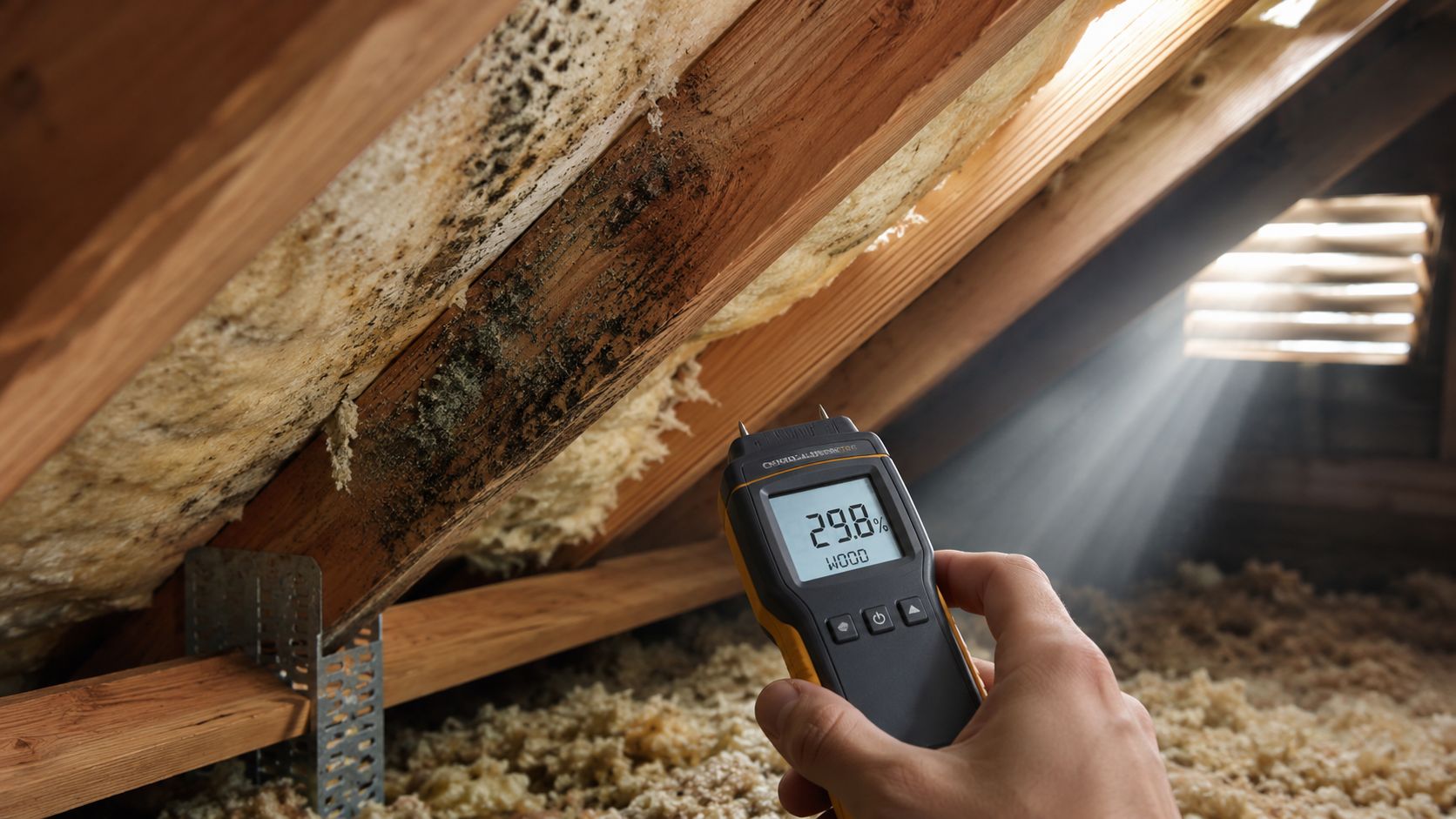
A damp smell deserves a direct question. Ask where the moisture is coming from, how long it has been present, and whether the seller has already tried to fix it. A moisture meter reading in a suspect area can help confirm whether the problem is active, but the primary value comes from tracing the source to the repair. That may point to a roof leak, an unvented bathroom fan, poor drainage, or past flooding that never dried correctly.
Visible mold on drywall, around vents, or in the attic calls for more than a deodorizer and a fresh coat of paint. It also changes the financial picture for a HERO buyer, because cleanup may be only part of the cost. If the issue is tied to hidden water intrusion, the contingency should account for repair scope, drying, and any follow-up testing needed before closing. For children, older adults, and people with respiratory issues, the health impact deserves the same attention as the repair estimate.
Practical signs that should trigger more testing
- Persistent Odors: Musty smells that return after ventilation often mean moisture is still present.
- Hidden Stains: Old water marks can show that the source was never fully fixed.
- Attic Condensation: Moisture on framing or sheathing points to ventilation trouble.
- Duct Concerns: If mold is suspected, inspect ductwork instead of assuming the problem is only cosmetic.
- History Questions: Ask the seller directly about leaks, past remediation, or insurance claims tied to water intrusion.
A moisture meter is useful, but it does not tell the whole story. It can show where a problem is active, yet the buyer still needs to know whether the source is structural, mechanical, or tied to maintenance that was deferred. In California, that distinction matters because a small leak can hide behind finished surfaces, and wildfire or seismic repairs sometimes leave patched areas that deserve another close look. A clean-looking home can still carry moisture risk if ventilation is weak or drainage is poor, so this part of the inspection should get a careful review before the contingency clock starts closing.
9. Pool, Spa and Water Feature Safety and Compliance
A backyard pool can make a California home more useful, but it also brings safety, code, electrical, and upkeep exposure. Inspectors should check circulation, pumps, filters, drain safety, fencing, gates, bonding, and the visible condition of the equipment. In California, water features are part lifestyle amenity, part liability concern, and the inspection needs to reflect both sides.
A buyer who plans to use the pool regularly should care about the details early, because deferred fixes can change the true cost of ownership fast.
The details that can turn into real expenses
Drain safety is one of the first items to verify. If the system does not meet anti-entrapment expectations, the correction can involve more than a simple part swap. Fence and gate problems can also lead to added work, especially if the latch does not close cleanly or the barrier no longer keeps access controlled. Add in a deteriorating pump, weak circulation, or poor electrical bonding, and the pool may need both safety upgrades and maintenance work before it is reasonable to call it move-in ready.
That matters for a HERO buyer weighing financing and contingency timing. Once the sale closes, the repair schedule and the cost sit with you, not the seller. If the pool needs electrical work, a new gate assembly, or equipment replacement, those items can affect the budget you thought was available for other home priorities, including seismic upgrades, wildfire defensible-space work, or energy-efficiency improvements that may matter under California standards.
The code side matters too. One common safety benchmark is a 4-foot minimum fence with self-closing gates (buyer home inspection checklist). Confirm that the actual setup on the property matches the rule, not just the seller's description of it. If a home inspector notes a mismatch, treat it as a real repair item, not a minor cosmetic issue.
What to verify before you accept the pool as-is
- Drain Compliance: Confirm that anti-entrapment protections are in place.
- Electrical Safety: Ask about bonding and GFCI protection around the equipment and water.
- Fence Integrity: Check height, latch function, and whether gates close on their own.
- Equipment Age: Get maintenance and replacement estimates for pumps, filters, and heaters.
- Water Use: Ask how the pool fits California water conservation expectations.
The operating picture matters as much as the visible condition. A pool can look clean and still carry high maintenance costs if the heater is near failure, the filter is aging, or the plumbing has been patched over time. In drought-conscious parts of California, water use also affects long-term ownership costs, especially if the property already needs other work tied to insurance, energy compliance, or safety repairs.
If the system is aging or noncompliant, price that risk into your offer instead of assuming it will be simple to fix later.
9-Point Home Inspection Checklist Comparison
| Item | Implementation complexity | Resource requirements | Expected outcomes | Ideal use cases | Key advantages |
|---|---|---|---|---|---|
| Roof Condition and Structural Integrity | Medium, roof access and attic checks; occasional unsafe/limited access | Replacement $8,000–$25,000+, roofer estimates, inspector time (hours) | Remaining lifespan, leaks, flashing/vent issues, code concerns affecting financing | Older roofs, properties in sun/fire zones, buyers needing long-term investment clarity | Prevents water damage, supports negotiation, clarifies near-term maintenance |
| Electrical Systems and Safety Compliance | Medium–High, panel testing, wiring inspection, specialized checks | Panel replacement $3,000–$10,000+, licensed electrician, testing equipment | Hazards, capacity limits, grounding/GFCI status, code violations, EV/generator readiness | Homes pre-1990, EV/backup power plans, tech-heavy households | Reduces fire risk, ensures adequate power, protects insurance eligibility |
| Plumbing System and Water Quality | Medium, fixture tests, pressure checks, possible camera sewer inspection | Sewer repairs $3,000–$25,000+, water heater $1,500–$5,000, plumbers and scope cameras | Leaks, pipe material/condition, water quality concerns, sewer integrity | Older homes, visible water stains, areas with aging infrastructure | Prevents hidden water damage, protects health, informs re-piping/heater planning |
| HVAC Systems and Climate Control | Medium, system performance tests, refrigerant and duct evaluation | Full replacement $5,000–$15,000+, HVAC contractors, airflow/testing tools | Efficiency rating, equipment age, duct integrity, need for replacement/repair | Homes in extreme climates, energy-conscious buyers, reliability-focused occupants | Ensures comfort, identifies energy savings, avoids critical failures |
| Exterior Components, Windows, Doors and Weather Sealing | Low–Medium, visual and operational checks; may need specialist quotes | Window $300–$1,000+/each, siding $10,000–$40,000+, carpenters/glaziers | Energy loss points, water intrusion risks, security and code compliance | Energy-efficiency upgrades, coastal or sun-exposed properties, curb-appeal projects | Improves efficiency/security, prevents water intrusion, enhances value/aesthetics |
| Insulation and Ventilation Adequacy | Low–Medium, R-value estimates, ventilation checks, moisture inspection | Insulation upgrades $1,000–$5,000+, blower-door/moisture meters, contractors | Energy performance, moisture risk, ventilation adequacy and Title 24 compliance | High-utility homes, moisture-prone properties, buyers seeking lower operating costs | Lowers energy bills, prevents mold/moisture, improves comfort |
| Pest Infestation and Wood Destroying Organisms | Low–Medium, visual/tapped checks; may require destructive probing | Treatment $500–$3,000+, possible costly structural repairs, licensed pest control | Active/past infestation, wood damage severity, lender-required pest reports | Older homes, termite-prone regions, warm-climate properties | Protects structure, required for lending/insurance, enables negotiation for remediation |
| Mold, Moisture, and Indoor Air Quality | Medium, moisture meters, possible air sampling and targeted openings | Remediation $2,000–$20,000+, mold specialists, HVAC duct cleaning, testing labs | Moisture sources, visible/hidden mold, IAQ risks and remediation scope | Health-sensitive occupants, coastal/humid homes, properties with water intrusion history | Protects occupant health, prevents spread of mold, enables remediation planning |
| Pool, Spa, and Water Feature Safety and Compliance | Medium, equipment, chemistry, bonding, and barrier checks | Annual maintenance $1,000–$10,000+, replaster $5,000–$15,000+, pool techs/electricians | Safety compliance, equipment condition, anti-entrapment and GFCI status | Homes with pools/spas, families with children, buyers concerned about liability/codes | Ensures safety/compliance, prevents liability, clarifies ongoing costs and conservation requirements |
From Inspection Report to Homeownership Your Next Steps
Your home inspection report should work like a decision map. The strongest reports tell you what's safe, what's aging, what needs a specialist, and what can wait. Use that structure to separate cosmetic items from the findings that can affect financing, insurance, or your life once you move in. Roof age, electrical compliance, plumbing leaks, pest damage, and structural concerns deserve immediate attention because they can change the value equation fast.
Share the most important sections with your loan officer and your agent as soon as the report lands. If you're using a HERO-related loan path or a VA-style approval process, condition issues can affect how quickly the file moves and what repairs need to be resolved before closing. A buyer who treats the inspection as a negotiation tool usually ends up with better clarity than a buyer who treats it like a pass-fail test.
That's especially true in California, where the long-term cost of skipping a problem is often higher than the short-term inconvenience of renegotiating. If the inspector flags a roof issue, electrical concern, pest report, or drainage problem, don't stop at the summary page. Ask for photos, contractor bids, and any specialist follow-up that would help you decide whether to move forward, renegotiate, or walk away.
A good home inspection checklist also protects your future self. The house you buy today should still make sense after the first season of heavy heat, the first winter rain, and the first utility bill. When you think that way, inspection findings stop being scary and start becoming useful.
California Loans for Heroes helps California HEROES turn inspection findings into smart buying decisions, not panic. If you want guidance on how a roof, electrical, pest, or moisture issue can affect your loan path and long-term costs, visit California Loans for Heroes and get support that's built around your homeownership goals.