
You're a California teacher comparing a rent payment with a mortgage estimate, only to discover that the home near your school costs far more than your salary seems to support. You've heard about teacher home buying programs in California, but the names blur together, and you don't know which options are grants, which are deferred loans, or whether your school role qualifies.
The right answer isn't one magic benefit. California's educator assistance is a layered patchwork shaped by county, household income, first-time-buyer status, employment type, and the lender handling the transaction. This guide breaks down the statewide programs, local overlays, application sequence, and financing mistakes that can make or break your purchase.
Why California Teachers Need a Different Home Buying Playbook
A third-grade teacher in Riverside can run the same mortgage numbers all evening and still come up short. Rent rises, a starter condo near the school feels unreachable, and the purchase works only if assistance reduces the down payment or closing cash. The issue is the gap between California home prices and educator income, not whether the teacher earns a reasonable salary.
According to EdSource reporting from 2018, only 17% of California homes were affordable on an average teacher salary. Affordability fell to 0% in San Francisco and 2% in San Jose, while Los Angeles reached 17% and San Diego reached 14%, according to EdSource's reporting on California teacher homebuying assistance. The same coverage cited an average California teacher salary of about $69,300, a roughly $260,000 affordable home price, and only 17.4% of homes for sale below that threshold.
Practical rule: Judge affordability by the total cash required to close, the monthly payment, any deferred liens, and the rules attached to every assistance layer. The listing price is only the starting point.
Why one program rarely solves the problem
California's teacher assistance programs developed because geography and job role affect the purchase math. The state-backed Extra Credit Teacher Home Purchase Program was reserving about $120 million of the state ceiling in 2004, an allocation expected to help roughly 500 eligible credentialed school staff buy homes. By 2018, reporting said about 2,400 school employees statewide had received assistance over the prior 17 years. The record shows a lasting housing tool, not a temporary promotion, as documented in the California Treasurer's Extra Credit Teacher Home Purchase Program material.
That historical program provided low-interest deferred loans to first-time buyers. Combined household income eligibility ranged from $118,000 to $228,300, depending on county. Those limits show why county matters: California designed educator assistance for expensive markets, not only for households with very low incomes.
Use the programs as layers. Start with a statewide second mortgage, check for a district or county option, and select a first mortgage that accepts the complete structure. Depending on the county and the borrower's role, the stack may include employer-assisted housing, a shared-appreciation loan, a forgivable grant, or lender credits that reduce cash needed at closing. A credentialed classroom teacher and another eligible school employee may face different rules, so confirm the job category before building the offer around assumed benefits.
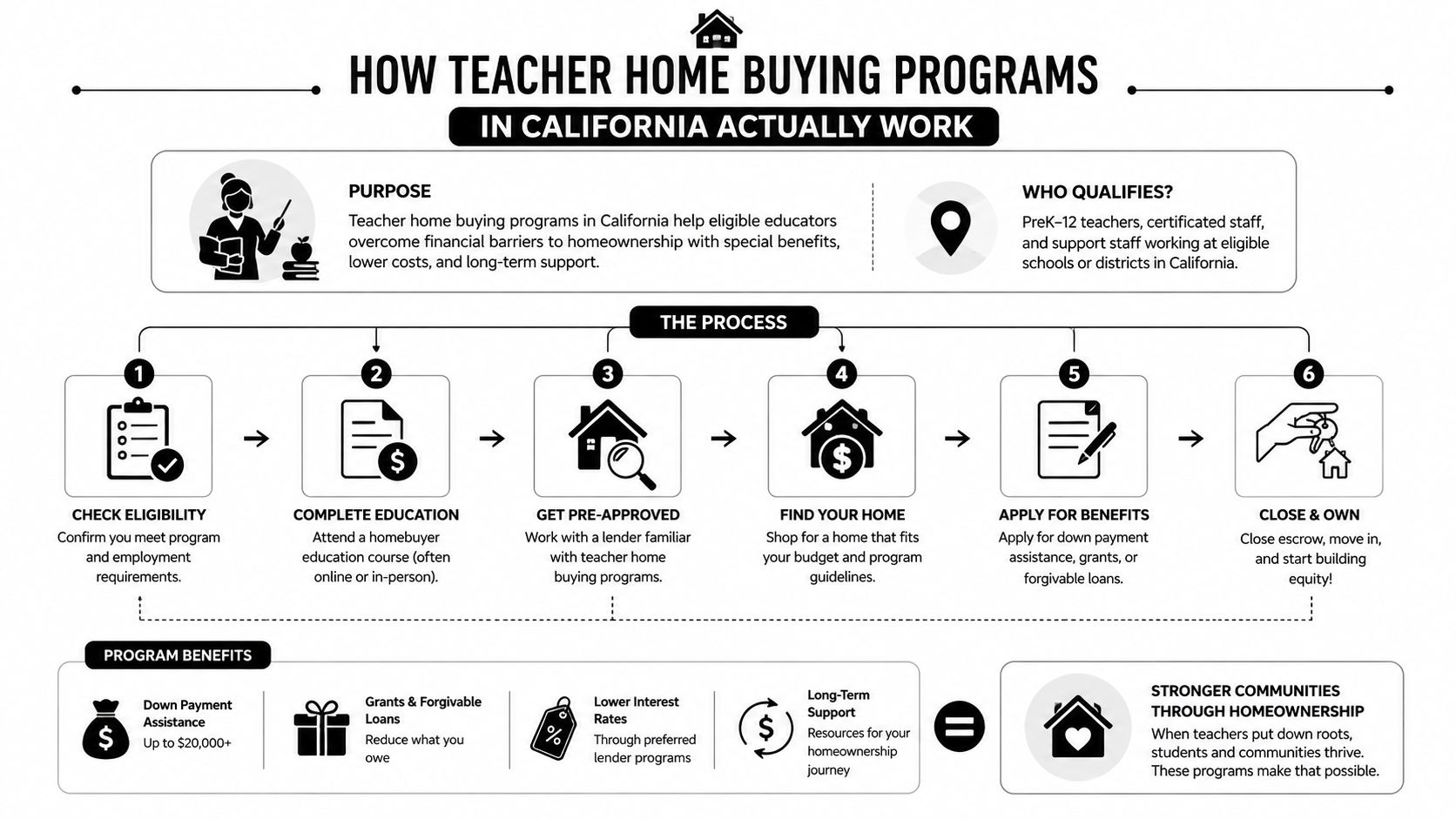
How Teacher Home Buying Programs in California Actually Work
“Teacher program” is shorthand for several different financing models. A borrower might use a deferred-payment junior lien, an employer-assisted housing benefit, a shared-appreciation loan, a service-based forgivable grant, or a conventional first mortgage with an educator incentive. These products can look similar in an advertisement but behave very differently after closing.
The first question is whether the assistance is forgiven or merely deferred. A grant that is forgiven won't create the same repayment obligation as a silent second mortgage. A deferred loan may require repayment when you sell, refinance, transfer the property, or stop meeting occupancy requirements. That difference affects future refinancing and the equity you'll keep.
Build the stack in the right order
Start with the first mortgage. CalHFA assistance is generally paired with an approved CalHFA first mortgage, and the first-lien underwriting determines how the second lien is documented and recorded. CalHFA's MyHome Assistance Program has offered deferred-payment junior loans up to the lesser of 3.5% of the purchase price or appraised value, capped at $10,000.
Then add the educator-specific layer. CalHFA's School Teacher and Employee Assistance Program, or STEAP, provides up to 4% of the purchase price or appraised value as a deferred-payment second mortgage, according to program details published for California school employees. The assistance can be used toward down payment and, depending on the approved structure, closing costs.
A local grant may cover a separate portion of the cash requirement. But don't assume every layer can be combined. Each program has its own lien position, income rules, occupancy terms, approved lender requirements, and repayment conditions. The lender must approve the complete stack before you write an offer.
The affordability calculation that matters
A home's list price tells you very little about whether the purchase works. The more useful calculation compares available assistance, borrower funds, required reserves, monthly payment, and future repayment obligations.
For example, a buyer may prefer a smaller down payment if preserving cash protects against moving costs, repairs, and reserves. That doesn't make a deferred loan free. It means the buyer is trading immediate cash savings for a future obligation that must be included in the long-term plan.
The strongest stack is the one you can explain clearly, not the one with the most program names.
Statewide CalHFA Programs Every Teacher Should Know
CalHFA gives many California educators a practical starting point, but approval depends on more than a teaching credential. The product, county, income limit, sales price ceiling, first-time-buyer status, and employment category all affect eligibility. Have a lender review the current program matrix before you reserve funds or make an offer.
The core statewide options
MyHome Assistance is a deferred-payment junior loan for eligible first-time buyers who need help with the down payment or closing costs. Assistance may reach the lesser of 3.5% of the purchase price or appraised value, capped at $10,000. Treat it as a loan, not an unconditional gift. Its balance can affect a later refinance or sale.
STEAP, the School Teacher and Employee Assistance Program, is the statewide option built around school employment. It provides up to 4% of the purchase price or appraised value as a deferred-payment second mortgage. Eligible employment can include a California K-12 public school, public charter school, school district office, county school, or continuation school, subject to program rules described in the California school employee program guide. CalHFA first-time-buyer requirements still apply.
CalPLUS first mortgages can pair with certain CalHFA assistance structures and may include zero-interest closing-cost assistance. That combination can suit a teacher whose income supports the monthly payment but whose liquid savings cannot cover every upfront expense.
CalHFA teacher program stack at a glance
| Program | Max Assistance | Forgiveness / Repayment | Eligible Occupations | Can Stack With |
|---|---|---|---|---|
| MyHome Assistance | Lesser of 3.5% of purchase price or appraised value, capped at $10,000 | Deferred junior loan, repayment rules apply | Eligible first-time buyers under program rules | Approved CalHFA first mortgage and compatible assistance |
| STEAP | Up to 4% of purchase price or appraised value | Deferred-payment second mortgage | Eligible California K-12 public, charter, district, county, and continuation school employees | CalHFA first mortgage and compatible local programs |
| CalPLUS-related assistance | Varies by approved structure | Zero-interest closing-cost assistance may be deferred | Borrowers meeting CalHFA product rules | Certain CalHFA first mortgages and assistance programs |
Review these California first-time home buyer assistance options before choosing a reservation strategy. Ask the lender to identify the first lien, the second lien, and any local assistance that can be added without breaking program rules.
Order matters more than enthusiasm
Reserve the first mortgage and primary CalHFA assistance only after confirming that the full structure works. Verify county income limits and sales price ceilings at application, since program limits can change. Require written explanations of every repayment trigger, including sale, refinance, and occupancy changes.
Do not write an offer around unverified assistance. The right stack is the one the lender, program administrator, escrow company, and local agency can all close.
Local and District Programs That Can Stack With Statewide Help
Statewide assistance is only one layer of a California teacher's purchase plan. Geography often changes the available benefit more than the job title does. A San Francisco teacher may qualify for a district loan that is unavailable to a teacher with the same credential in Modesto. Start with the county and employer, then determine which statewide mortgage structure can carry the local help.
The CalHFA Extra Credit Teacher Home Purchase Program has been described as a deferred junior lien of up to $7,500 in non-high-cost counties and up to $15,000 in high-cost counties, according to California educator housing resources. San Francisco offers a useful local comparison. Qualified San Francisco Unified School District teachers may access loans of up to $20,000 toward a down payment, subject to the district benefit's current rules and funding.
Compare the local paths before choosing a lender
| Program | Region | Benefit Type | Typical Amount | Stacks with CalHFA? |
|---|---|---|---|---|
| SFUSD teacher assistance | San Francisco | Local down payment loan | Up to $20,000 | May, subject to program and lender approval |
| Extra Credit Teacher Home Purchase Program | California counties | Deferred junior lien | Up to $7,500 or $15,000, depending on county designation | May, subject to compatibility |
| Sacramento-area educator assistance | Sacramento region | Deferred silent second mortgage | County and program dependent | May, subject to program and lender approval |
| District employer-assisted housing | Varies by district | Grant, loan, housing partnership, or employer contribution | Varies by offering | Must be confirmed individually |
Contact SFUSD Benefits at benefits@sfusd.edu to confirm whether the down-payment loan is currently funded before engaging a lender. Request the current benefit documentation, including eligibility rules, application deadlines, repayment terms, and any limits on combining it with a CalHFA loan. Then have the lender model both liens together.
A Sacramento-area buyer should check county and district resources for a silent second mortgage. It may address cash-to-close needs even when statewide assistance is too small. Los Angeles buyers should ask the district about housing partnerships and county first-time-buyer programs. A district announcement does not guarantee eligibility for every school employee or compatibility with every mortgage.
Where to look first
Review the HR benefits packet, union newsletters, district housing pages, county housing authority portals, and current materials from each program administrator. Ask for written confirmation of eligibility, funding availability, income limits, occupancy requirements, lien terms, and repayment triggers.
Location beats labels: Start with your county and employer, then work backward to the mortgage product that can carry the available assistance.
Eligibility, Documents, and the Application Sequence
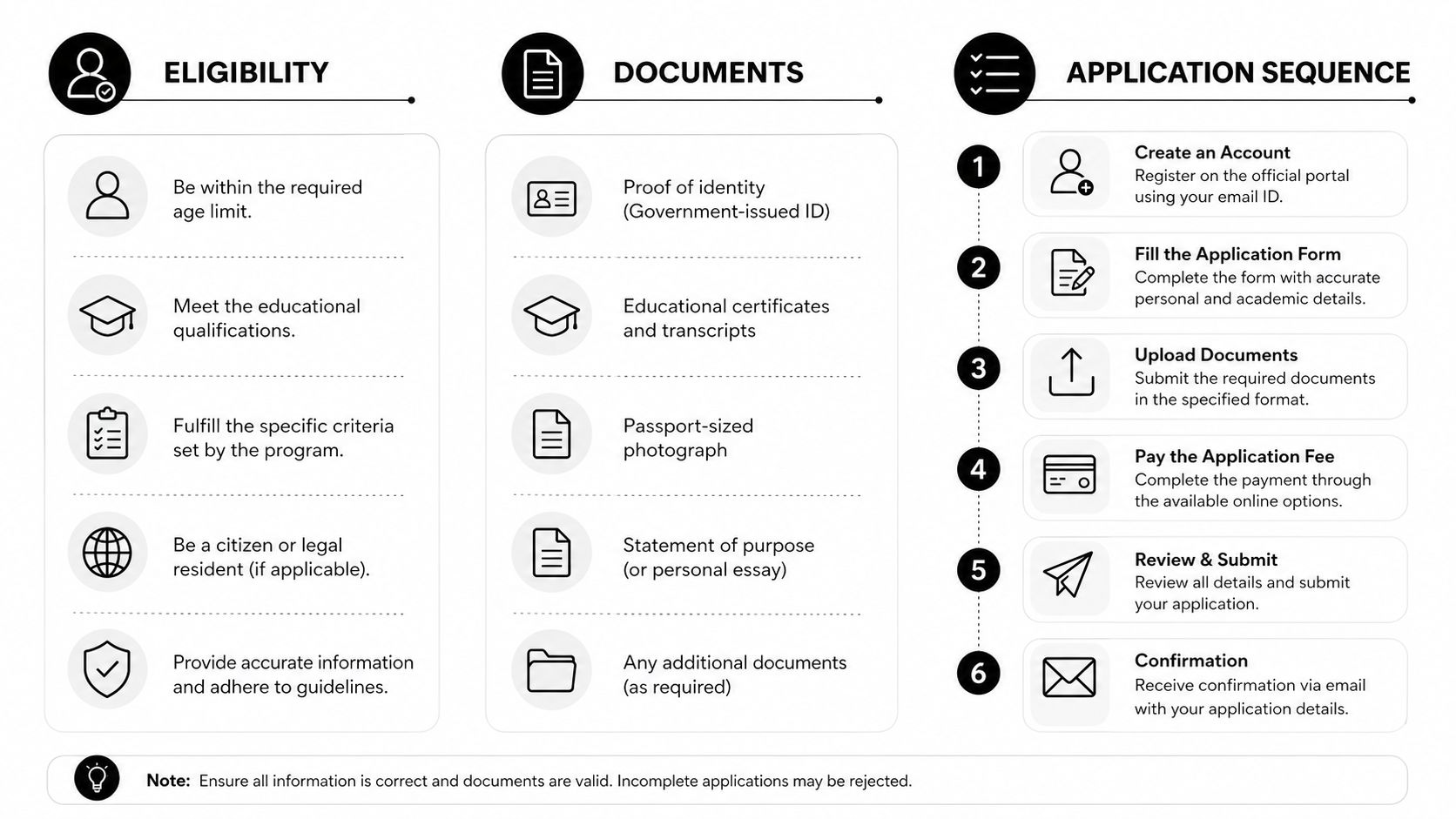
A teacher home buying application should begin before house hunting. Eligibility depends on more than holding a credential. CalHFA rules can examine first-time-buyer status, income, employment location, household composition, property type, purchase price, and the approved first mortgage.
A first-time buyer under CalHFA rules generally includes someone who hasn't owned and occupied a principal residence during the previous three years, according to California teacher homebuying program coverage. Employment eligibility for STEAP is tied to qualifying California K-12 public, charter, district, county, or continuation school roles, as described in the school employee assistance guide.
Gather the file before submitting an offer
Prepare a clean package so the lender can identify problems early:
- Employment proof: Current district employment verification and documentation of your qualifying school role.
- Credential records: Teaching credential or other evidence of the school position required by the selected program.
- Income documents: W-2s from the last two years, pay statements, and records for any additional qualifying income.
- Asset records: Two months of bank statements, with explanations for large deposits.
- Purchase documents: Executed purchase contract, property details, and any seller credits.
- Program forms: First-time-buyer certification, homebuyer education documents if required, and assistance disclosures.
Don't wait until underwriting to verify your job category. A public charter employee, county-school employee, support employee, or district-office worker may be treated differently depending on the program.
Follow the sequence, not the excitement
- Contact a lender first. Confirm the first mortgage, county limits, assistance compatibility, and estimated cash to close.
- Verify employment and income. Have the lender determine whether your school role and household income fit the selected program.
- Check local benefits. Ask HR and county administrators about open funding and application deadlines.
- Obtain pre-approval. Do not shop from a payment guess.
- Write the offer only after the structure is workable. The lender should know which assistance layers will be used.
- Reserve CalHFA funds. Obtain the reservation information and confirm the timing requirements.
- Submit the complete loan package. Keep documents current through underwriting, appraisal, escrow, and closing.
Use this home buying process checklist to track documents and contacts. Teachers in Modesto, San Diego, or any other California market should call the lender before the district administrator, because the lender can identify which local benefits fit the first mortgage.
How California Loans for Heroes Helps Teachers Navigate the Options
A generic mortgage pre-approval can miss the most valuable part of an educator's financing plan. It may show what you qualify for with a standard first mortgage, but it won't necessarily identify whether STEAP, a county silent second, a district loan, or a lender credit can work together.
A HERO-focused lender starts with the borrower's county, salary, employment category, credential, and first-time-buyer status. That matters because an assistance program that works in San Francisco may not work in Sacramento, and a benefit available to a district employee may not extend to every school-related role.
California Loans for Heroes offers educators access to homebuyer assistance and incentives, including down payment assistance options, competitive mortgage rates, lender credits, refinance solutions, and one-on-one support. Its California home loans for heroes program is one option teachers can evaluate alongside direct CalHFA and district resources.
The lender's job is to make the stack closeable
The lender should do more than quote a rate. Ask for a written comparison showing:
- The first mortgage payment and mortgage insurance.
- Each assistance balance and repayment trigger.
- Required borrower funds.
- Lender credits and permitted seller credits.
- The effect of refinancing or selling later.
- The documents required from the district or program administrator.
Lender-credit optimization can matter when assistance covers the down payment but leaves closing costs exposed. In some structures, a teacher may evaluate a CalHFA first mortgage with available credits or pricing options rather than bringing every expense from savings.
The workflow also improves when one contact owns the file. That person can flag district-specific openings, verify whether a program is still funded, and prevent the borrower from submitting an offer based on an assistance amount that isn't available.
Don't ask only, “What rate can I get?” Ask, “Which complete financing structure leaves me with the safest payment and the least damaging future obligation?”
Common Mistakes and Smart Moves Before You Sign
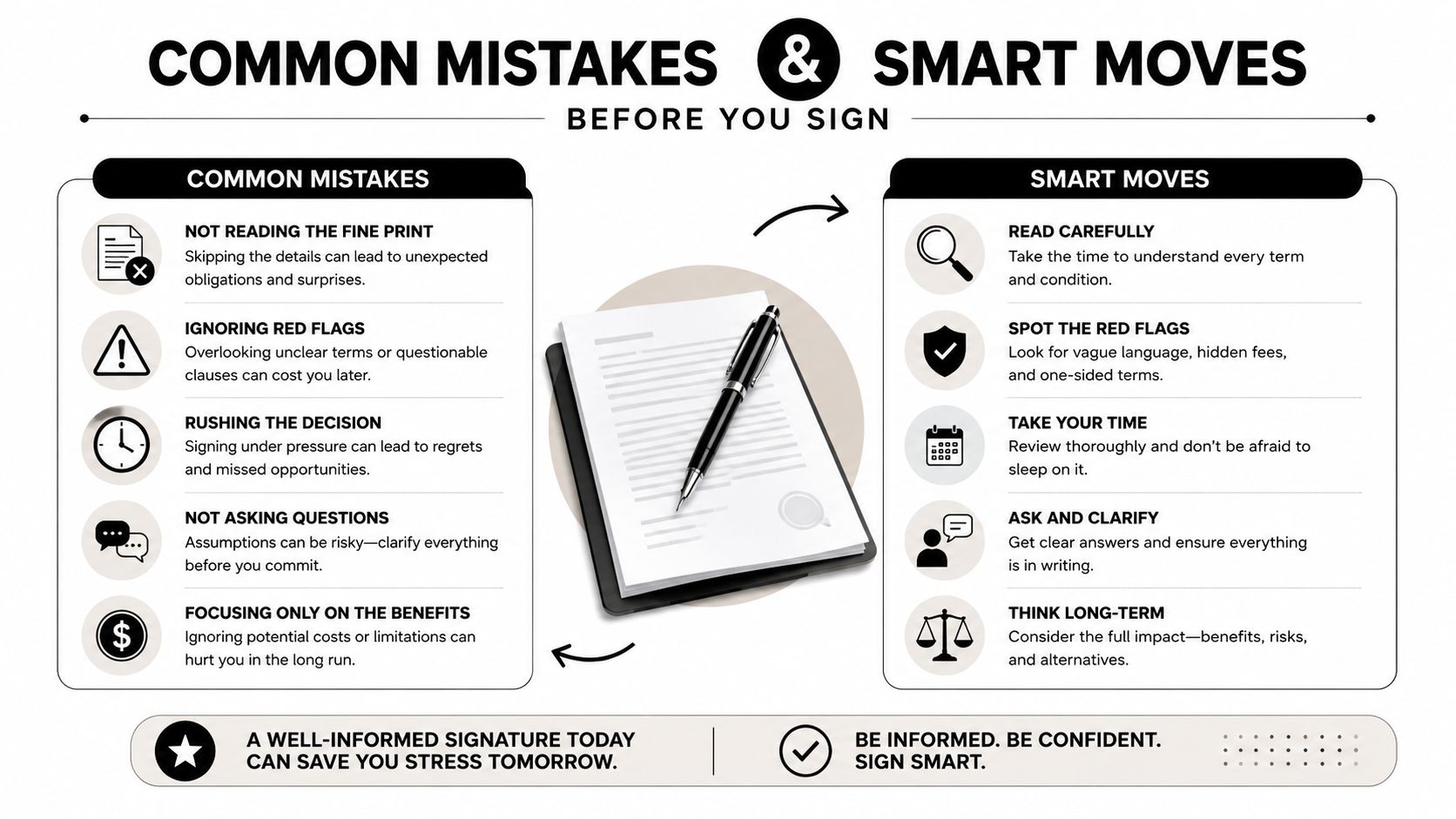
Teachers don't automatically qualify for free money. Some benefits are grants, some are forgivable under specific occupancy or service terms, and some are deferred subordinate loans that become due later. Treating every program as a grant is one of the fastest ways to misunderstand a loan estimate.
CalHFA MyHome, for example, is structured as a deferred junior loan, not an unconditional gift, and repayment rules can apply when the property is sold or refinanced, as described in California teacher homebuying assistance coverage. Income limits can vary by county, while employment definitions and first-time-buyer rules vary by product.
Errors that create expensive surprises
- Skipping certification verification: Confirm your credential and school employment before underwriting.
- Assuming every district benefit is active: District housing policies can change, and an announcement doesn't guarantee open funding.
- Ignoring county limits: A household income that qualifies in one county may not qualify in another.
- Missing contract timing: Ask the lender how long the program reservation remains valid and what happens if the purchase contract or closing timeline changes.
- Locking the wrong first mortgage: Assistance must fit the first lien, not merely appear attractive on a flyer.
- Overlooking future repayment: Ask exactly what happens after a refinance, sale, transfer, or occupancy change.
Smart moves before disclosures
Pull your credit reports early enough to correct errors before pre-approval. Confirm how pension or retirement-related income will be treated in the debt-to-income calculation, and ask the lender to document the answer rather than relying on a verbal assumption.
Get pre-qualified before touring homes. Then request a full cash-to-close estimate that includes assistance balances, lender credits, escrow requirements, appraisal costs, and reserves. Before signing, ask:
- Which assistance amounts are grants, and which are loans?
- When does each balance become due?
- Can I refinance without triggering repayment?
- What happens if I change school districts?
- Does my exact job classification qualify?
- What income limit and county designation apply?
- Which lender and seller credits are permitted?
- What deadline controls the assistance reservation?
California Loans for Heroes helps California educators compare CalHFA, county, district, and lender-credit options within one coordinated home loan process. Visit California Loans for Heroes to review your county-specific possibilities, verify eligibility, and speak with a team that can structure the assistance before you make an offer.