
For veterans with full entitlement, there is no VA home loan max in 2026. For borrowers with partial entitlement, the practical ceiling is tied to county conforming loan limits, and high-cost California areas can reach $1,249,125.
The problem is that most advice stops at the headline and skips the part that decides whether you can buy in California. A veteran in San Diego, Los Angeles, or the Bay Area doesn't need a slogan, they need to know how entitlement, income, appraisal, and lender underwriting work together. If you're trying to buy in a high-cost market, that's the question behind the va home loan max.
The Truth About VA Home Loan Maximums
The common mistake is treating the VA home loan max like a single number. That idea sounds neat, but it's wrong for most serious buyers. The VA's rules changed, and the old cap-based mindset no longer fits how the program works for borrowers with full entitlement.
Since January 1, 2020, there are no county loan limits for Veterans with full VA home loan entitlement, and the VA does not limit how much you can borrow from a lender when you qualify with full entitlement. That doesn't mean every borrower can walk into a lender and choose any price tag. It means the VA itself is no longer the bottleneck when full entitlement is intact.
What drives buying power is a lot more personal. Lenders still look at income, debt load, credit, property value, and whether the deal makes sense on underwriting terms. In California, that matters more than the marketing headline, because high prices can push buyers into borrowing structures where the entitlement status becomes the difference between a clean approval and a down payment.
Practical rule: stop asking, “What's the VA max?” and ask, “What's my max with my COE, income, debts, and the home I'm trying to buy?”
The old program structure shows why this confuses people. The VA's history included a $36,000 basic entitlement and an earlier ceiling tied to a $144,000 loan amount, so the program has always evolved with the market. Today's borrower should think in terms of qualification, not a frozen national cap. If you're buying in California and want a clean read on your options, start with your entitlement and then review a lender who works with California veteran home loans.
Full Entitlement vs Partial Entitlement Explained
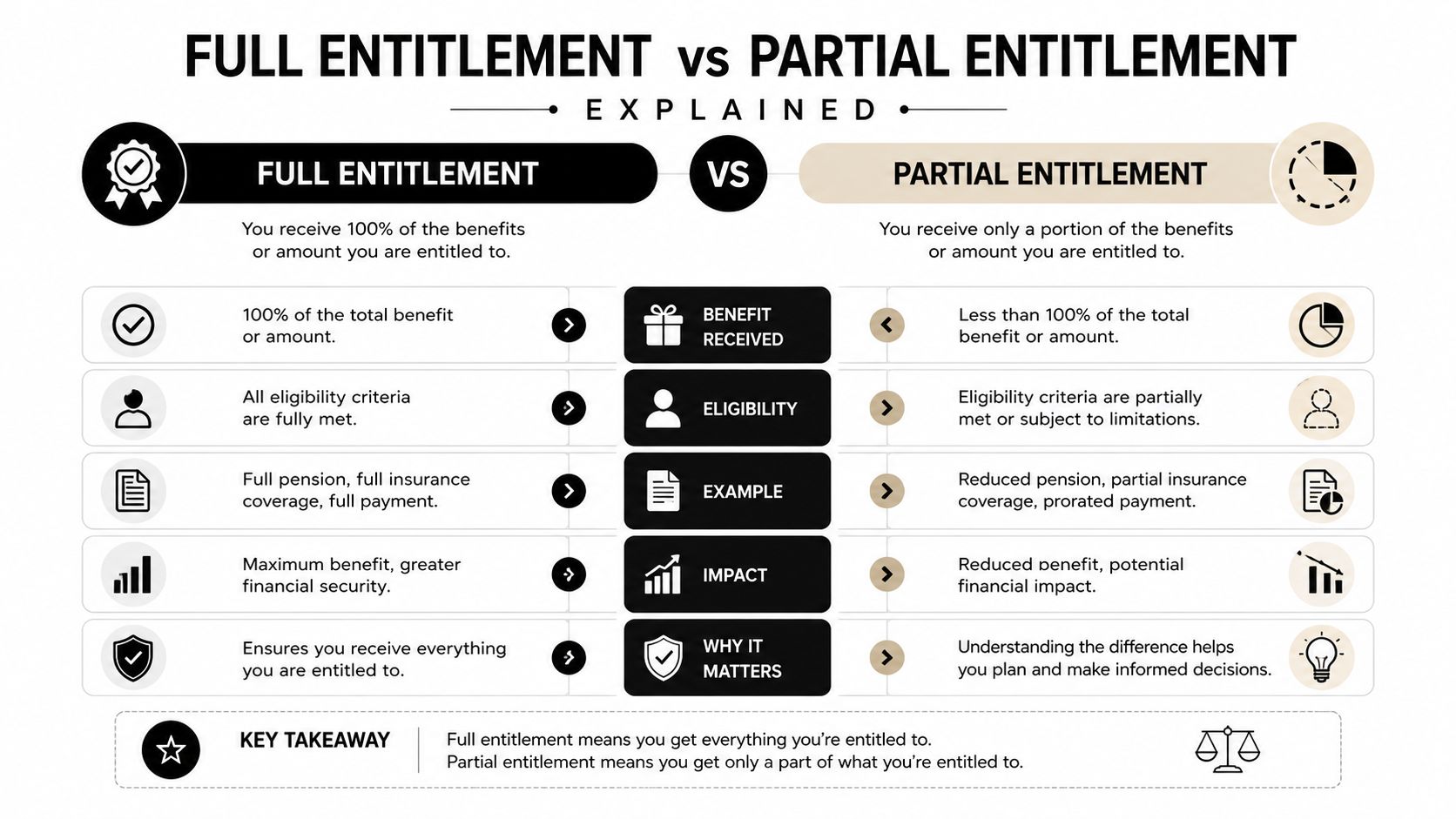
The dividing line is full entitlement versus partial entitlement. If you have full entitlement, the VA is not capping your loan amount. If you have partial entitlement, the county limit starts mattering again because some of your guaranty is already tied up.
What full entitlement usually means
Full entitlement usually applies when you've never used a VA loan, or you used one and restored your benefit. It can also apply after you sold the property tied to the prior loan and fully reset the entitlement. In that situation, the VA doesn't impose a loan ceiling, but the lender still decides how much you can carry.
What partial entitlement changes
Partial entitlement shows up when you still have an active VA loan, or you used some entitlement and never restored it. In that case, the loan you want may exceed the remaining guaranty coverage, even if your income looks strong. That's where buyers get surprised.
A veteran with full entitlement and a veteran with partial entitlement can have the same income and completely different borrowing power.
The technical rule is simple: full entitlement has no VA loan limit, while partial entitlement can still qualify for a no-down-payment loan only up to the amount supported by remaining guaranty coverage. That's why two buyers can look identical on paper and still get different answers from the lender. One is working with restored benefit, the other is working with leftover coverage.
A good way to think about it is this. Full entitlement gives you freedom from the VA cap. Partial entitlement makes the county limit part of the math again. If you're not sure which bucket you're in, your Certificate of Eligibility and your current housing situation decide it, not the sales price of the home you want.
2026 County Loan Limits for California Veterans
For 2026, the standard VA loan limit in most U.S. counties is $832,750, up from $806,500 in 2025, and the high-cost county ceiling reaches $1,249,125 for a single-family home. That's the number that matters when partial entitlement is in play. California buyers should care because the state has plenty of high-cost counties where the ceiling, not the VA itself, becomes the practical reference point.
The annual update matters because the county limit is not random. It's tied to conforming-loan benchmarks, so when housing prices move, the ceiling moves too. That's why the amount climbed again for 2026. If you're using partial entitlement, a higher county limit can expand what you can buy with no down payment, but only within the entitlement formula.
| County Type | 2025 Limit | 2026 Limit | Increase |
|---|---|---|---|
| Standard U.S. County | $806,500 | $832,750 | $26,250 |
| High-Cost County | $1,209,750 | $1,249,125 | $39,375 |
Source: Federal Housing Finance Agency, “FHFA Announces Conforming Loan Limit Values for 2026.” The 2026 one-unit baseline is $832,750 and the high-cost ceiling is 150% of that baseline, or $1,249,125.
California veterans should separate the national baseline from the local market. In a lower-cost county, the standard limit may be enough to preserve zero-down buying power. In a coastal California county, the higher ceiling is what keeps the VA benefit useful when home prices are stretched.
Why California buyers should care first
In plain terms, the county limit only matters if entitlement is partial. If full entitlement is restored, the limit is not the issue. If it isn't, the limit can decide whether you stay at zero down or need cash to bridge the gap.
For a current limit check and lender timing questions, California buyers who are waiting on appraisal should also review VA appraisal turn times, because the appraisal value can shape how fast you can close and whether the deal stays intact.
How Lenders Determine Your Actual Maximum Loan

The VA benefit gives you a strong starting point. Your actual loan ceiling still comes from the lender. They review debt-to-income ratio, income stability, credit profile, reserves, and the property itself. If one of those pieces is weak, the approved amount drops even when entitlement is strong.
The appraisal can set a hard ceiling
The VA's own guidance says the maximum amount on a specific property is the lower of the appraised value or purchase price. That keeps the home's value in the equation even when the VA does not impose a simple cap. If the appraisal comes in low, the loan amount usually has to come down or the buyer has to cover the gap.
California buyers should also pay attention to timing. Appraisal delays can slow the whole file and force decisions under pressure, so review VA appraisal turn times before you assume a fast closing.
Underwriting still separates buyers
Two veterans can use the same entitlement and get different answers from the same lender. One has low revolving debt and solid reserves, the other carries heavier monthly obligations. Same benefit, different approval.
Direct advice: do not shop homes before you know your underwriting number. That is how buyers waste time in expensive California markets.
The practical ceiling comes from three things. First, entitlement status. Second, lender underwriting. Third, the property's appraised value. California veterans who want a tighter estimate should work with a lender who understands the numbers, because once the target price moves above the usual county framework, the financing plan matters as much as the address.
Options for Borrowing Above Standard Limits

If the home price runs past what your VA benefit covers on its own, you still have paths forward. The right one depends on how much cash you want to bring in, how strong your income looks, and whether you need to keep reserves available for repairs, closing costs, or life after closing.
Three common routes
- VA jumbo structure: useful when you want to stay close to VA benefits but the loan amount goes beyond the usual limit framework. Lenders review these files more closely, so expect stricter scrutiny.
- Conventional jumbo financing: this can work for buyers with strong credit and a larger down payment, but it moves you away from the VA's no-down-payment advantage.
- More money down: direct and often the cleanest route when the home price exceeds what the entitlement formula supports.
The right answer comes down to the gap between the purchase price and what your entitlement can support. For a higher-priced California home, the main issue is not whether you can use VA benefits. It is whether you want to cover the gap with cash or reshape the loan.
When restoring entitlement makes sense
If you still have an existing VA loan and you plan to move, restoring full entitlement can open up your borrowing power again. That can be smarter than forcing a second loan into a partial-entitlement setup. In a state like California, where prices shift sharply by county, that restoration can be the difference between a workable move and a strained financing plan.
If you want a full comparison of options, the page on jumbo VA loan is the right place to start. The main point is simple. Do not let a “no limit” headline distract you from the math on your purchase.
Next Steps for California Heroes
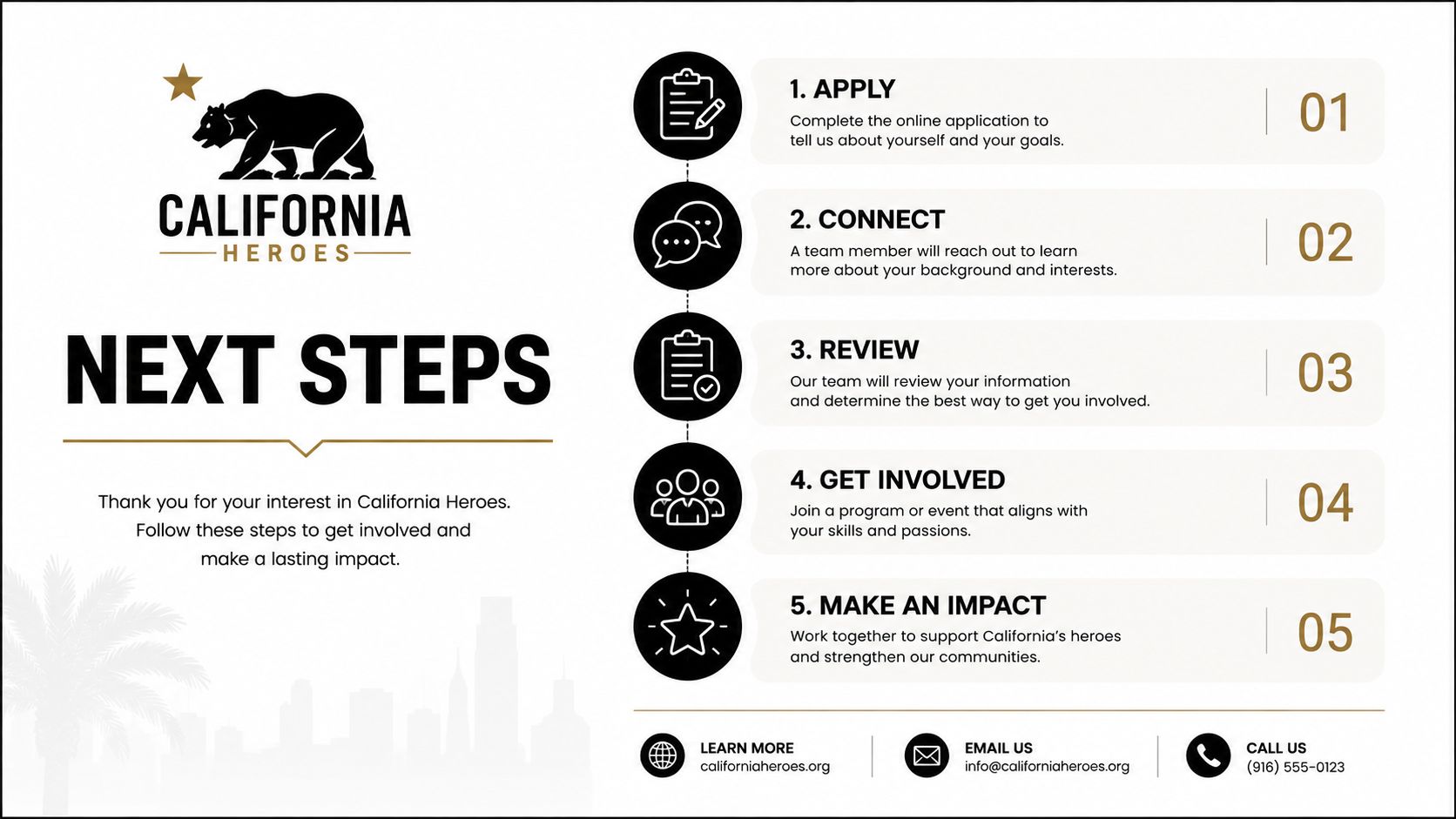
Start by confirming your entitlement status. If you have full entitlement, the VA isn't setting a loan cap for you. If you have partial entitlement, your county limit and remaining guaranty coverage need to be checked before you shop seriously.
Then get realistic about your numbers. Pull your income, monthly debts, and target price into one conversation with a lender who works with California VA borrowers every day. That's the fastest way to stop guessing and start shopping with a number you can trust.
What to bring to the conversation
- DD-214 or service documentation to verify eligibility.
- Recent pay stubs to show current income.
- Tax returns if you're self-employed or need broader income review.
- Bank statements if you're using assets or need reserve documentation.
Ask direct questions. Ask whether the lender understands partial entitlement, how they handle appraisal gaps, and whether they've closed loans in high-cost California counties. If they answer vaguely, move on.
California HERO professionals, including veterans, active-duty service members, first responders, teachers, nurses, and other public service workers, should treat the loan search like a financing audit, not a shopping spree. The right lender will give you a number grounded in entitlement, underwriting, and the local market, not a hollow promise.
California Loans for Heroes helps California veterans, active-duty military, first responders, and other HERO professionals work through home loan options, including VA financing and county-based borrowing questions. If you want a practical read on your own VA home loan max, visit California Loans for Heroes and get matched with a team that understands California's high-cost markets.